We explain when it pays to keep cargo at a warehouse rather than ship it right away, how acceptance works and what shipping when ready means.
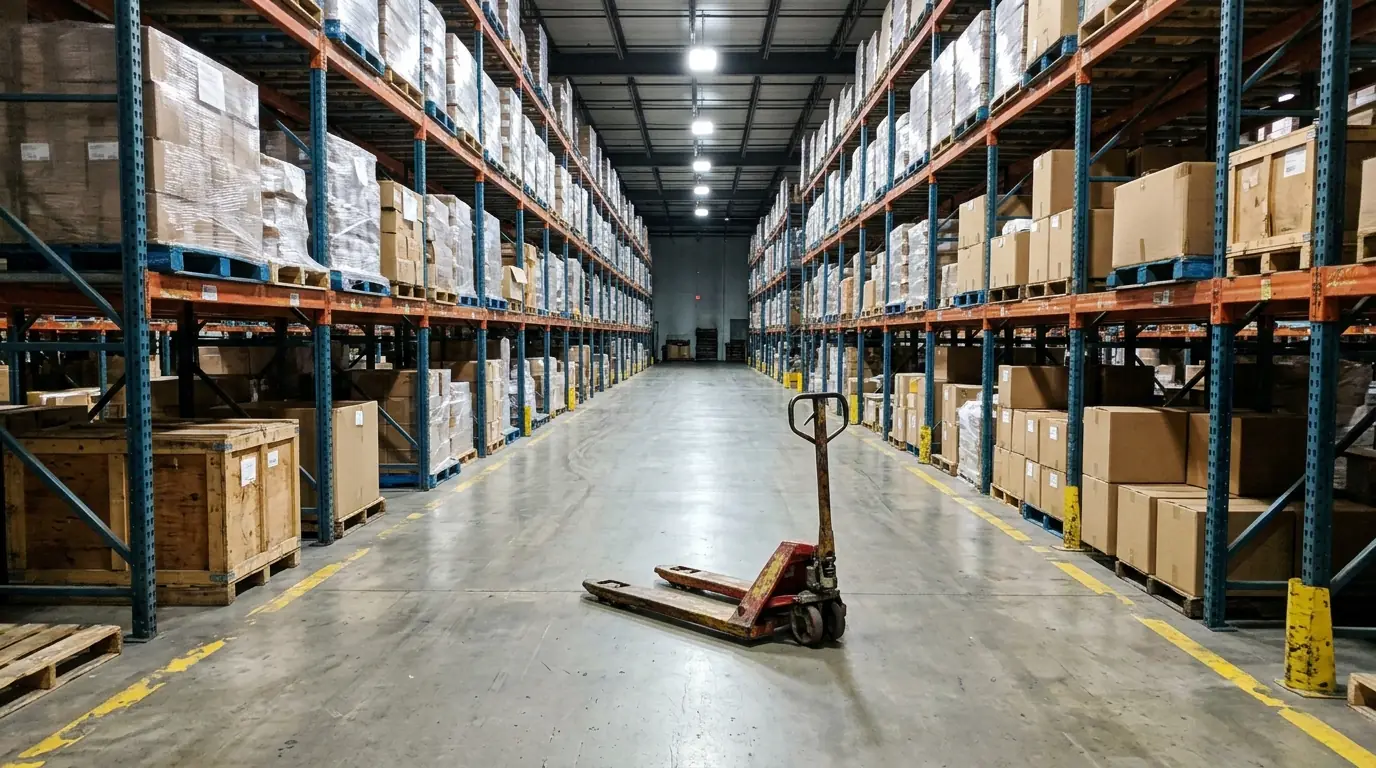
In logistics, a warehouse is not just a place for cargo to sit. It lets you consolidate goods from several suppliers into one shipment, receive cargo while you are out of town, and ship a consignment when it is fully ready.
YolEx has warehouses at both ends of its main route, in Moscow and in Tashkent. In Moscow, cargo can be received, accumulated and shipped to Uzbekistan as one consignment; in Tashkent, it can be received, sorted and handed to the recipient or delivered to their address.
Below is when you need cargo storage, how acceptance works and what to prepare so your shipment leaves without delays.
In short
- When you need a warehouseThere are several suppliers, the cargo is ready before it ships, or the recipient can't receive it right away.
- What happens at the warehousePieces are accepted, their number and the condition of the packaging are checked, they are repacked if needed and a photo report is made.
- How much storage costsIt depends on the volume, duration and type of cargo. The logistics manager states the terms when calculating the cost.
What custodial cargo storage is
Custodial storage means the warehouse accepts the cargo by number of pieces and condition of packaging and is responsible for keeping it safe until it is handed over or shipped.
This is what sets it apart from renting warehouse space. A tenant places the goods, keeps records and looks after them on their own. With custodial storage, the warehouse does all of this, and you get your cargo or shipment in the same condition in which it was accepted.
| Option | Who looks after the cargo | When it fits |
|---|---|---|
| Custodial storage with a logistics company | The warehouse: accepts, records the pieces, hands them over for shipping | Deliveries from several suppliers in Moscow are waiting for a joint shipment to Tashkent |
| Renting warehouse space | The tenant | A permanent stock of goods you work with every day |
| Storage at the sender's premises | The sender | The cargo is ready to ship in full, and a courier will pick it up at the address on the shipping day |
← Swipe to scroll the table →
For the sender, this means there's no need to keep boxes in the office or apartment or to fit around suppliers' schedules. The cargo waits at the warehouse, and you get a message once it has been accepted.
An important limit: the warehouse accepts cargo by piece count and the outward condition of the packaging. YolEx does not check the completeness or quality of the goods inside the boxes; the supplier is responsible for the contents, and any questions about them are settled between you and the seller.
When you need cargo storage before shipping
You need a warehouse when the moment the cargo is ready doesn't match the moment it ships.
- Several suppliersGoods arrive on different days, but there is one shipment
- Cargo ready earlyThe shipment is assembled, but the documents are still in progress
- You're out of townThe supplier brings the cargo to the warehouse
- Consolidated shipmentThe cargo waits for a joint shipment to come together
- Recipient is busyIn Tashkent, the cargo will wait for a convenient pickup day
- TransitThe cargo travels onward via Tashkent or Moscow
Transit is a common case for the Tashkent warehouse. In the case study of a shipment of sneakers from Korea, the cargo went to Moscow via Tashkent: at the warehouse the pieces were counted, the packaging was checked and the cargo was immediately handed over for the flight. The entire 360 kg shipment arrived in 5 days.
Another common situation is preparing for the season. An entrepreneur buys goods from suppliers in Moscow in advance, but it makes sense to ship them to Tashkent as one consignment once the whole range has been assembled. The warehouse means you don't have to keep each delivery yourself or ship it separately.
If the cargo is fully ready and the recipient is waiting, you don't need a warehouse: a courier will pick up the cargo at the address and send it by the next suitable transport.
How warehouse acceptance and photo reports work
Acceptance is the moment the warehouse takes responsibility for the cargo. The condition in which the pieces were accepted is the condition in which they leave for shipping.
Tap a stage to see the details.
Notification
You or the supplier tell the logistics manager in advance what will be delivered: the number of pieces, weight, dimensions and approximate date.
Acceptance by piece
The pieces are counted and checked against the request. Any discrepancy is recorded immediately.
Packaging inspection
An external inspection: dents, water damage, signs of tampering. Any issues are noted at acceptance.
Photo report
On request, the logistics manager sends photos of the accepted pieces, so you can see the cargo even if you weren't at the warehouse.
Labeling and records
The pieces are labeled for shipping and, if needed, repacked for the chosen transport.
Storage until shipping
The cargo waits until the whole shipment is assembled or the documents are ready.
To make acceptance quick, ask your suppliers to label each box the same way: the name of the shipment's recipient, the destination city and the number of pieces in the delivery. That way boxes from different suppliers won't get mixed up, and the logistics manager can see right away which deliveries are already at the warehouse.
If a supplier delivers a damaged box, the logistics manager will let you know before shipping, and you will decide together with the supplier what to do. That way the problem is caught in Moscow, not by the recipient in Tashkent after several days in transit.
Consolidating a shipment from several suppliers: shipping when ready
Shipping when ready means the shipment leaves once all pieces have been gathered at the warehouse, rather than each delivery separately.
This is convenient for buyers and entrepreneurs who source goods from several suppliers in Moscow. Instead of three separate shipments to Tashkent, there is one.
Hypothetical example based on preliminary YolEx Russia ↔ Uzbekistan rates, November 2026. Storage is charged separately.
By train from Moscow to Tashkent, such a shipment would cost from $600 (100 × $6), and by truck from $420 (100 × $4.2). The main benefit is not the rate but the fact that clearance, transport and delivery happen once: one shipment, one set of documents, one delivery to the recipient.
The choice of transport for a consolidated shipment depends on the deadline. If the goods are needed in Tashkent by a certain date, count backward: by train the shipment takes about 4 days, by truck 10–15 days, plus time for clearance. Then it is clear by what day the last delivery must reach the warehouse.
A commercial shipment will need documents for the goods from each supplier. Gather them by the time the last delivery arrives at the warehouse, and the shipment will leave right away. If your cargo is small and will travel together with other people's cargo, that is consolidated freight: see our article on consolidated cargo to Uzbekistan.
Warehouse in Tashkent and Moscow: what happens at each end of the route
Warehouses at both ends of the route keep the cargo under control from acceptance from the supplier to handover to the recipient.
- Receiving from suppliersDeliveries accumulate until the shipment is ready
- Pickup at the addressA courier brings the cargo to the warehouse
- PackingFor the chosen transport: plane, train or truck
- DispatchBy plane 10–24 hours, by train about 4 days, by truck 10–15 days
The Moscow warehouse is where cargo is consolidated, prepared for the road and shipped to Uzbekistan.
- Receiving the shipmentPieces are counted after transport
- SortingCargo is distributed by recipient
- Pickup or deliveryThe recipient collects the cargo or it is delivered to their address
- Reverse directionReceiving cargo for shipping to Russia
The Tashkent warehouse is a point for handover, transit and dispatch of cargo from Uzbekistan to Moscow.
The Tashkent warehouse also works in the other direction. A sender from Uzbekistan can drop off cargo there, and it will then travel to Moscow by plane, train or truck and be handed to the recipient in Russia, at the warehouse or at their address.
The logistics manager provides the warehouse address, acceptance hours and cargo requirements when processing your request. To get started, enter the route, approximate weight and the fact that the cargo needs to be taken into storage in the delivery calculator. Answers to general questions about how YolEx works are collected in the "Questions and answers" section.
Important
The duration and cost of storage depend on the volume, type of cargo and time at the warehouse; the logistics manager states them when calculating the cost. Not all cargo can be accepted for storage: agree on dangerous goods, perishables and cargo requiring special temperatures in advance. The transit times and shipping rates in this article are preliminary.